Footwear making seems simple but it’s not. A shoe has many smaller components like upper, lining, sole, tongue and more. Every part must fit well. Every stitch must hold properly. If one stitch fails the shoe quality goes down. That’s why thread is very important in footwear manufacturing.
Many people think thread is a thing but for shoe makers its a big quality factor. A good thread like bonded nylon thread helps with stitching, strong seams, clean look and long product life. A poor thread can create problems like breakage, skipped stitches and weak seams.
Today advanced thread technologies are helping footwear manufacturers solve daily production challenges. These threads are made to perform in tough conditions. They support speed, strength, comfort and durability.
Challenge 1: Thread Breakage During Stitching
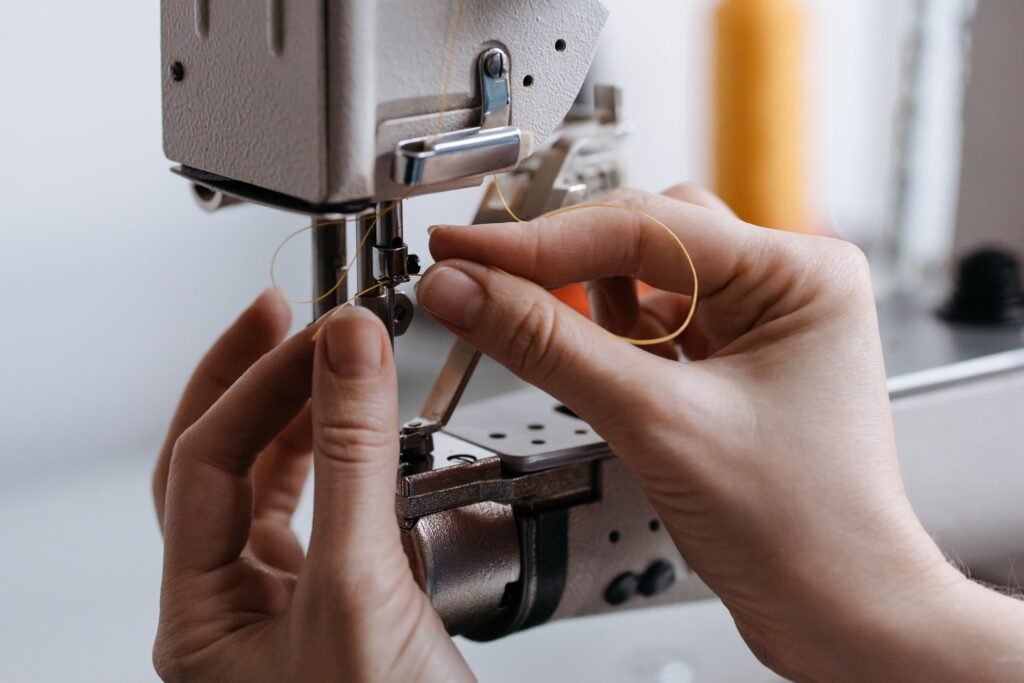
Thread breakage is a problem in footwear factories. When sewing machine thread breaks the machine stops and production becomes slow. Footwear materials can be thick and tough putting pressure on the thread. Advanced threads are made with strength and smoother surface reducing machine stoppage and giving cleaner stitch lines.
Challenge 2: Weak Seams in Footwear
A shoe faces a lot of stress during walking. The seams must stay strong. Weak seams are a reason for footwear failure. Advanced thread technologies help give seam strength. These threads hold the shoe parts firmly. Don’t break easily under pressure.
Challenge 3: Skipped and Uneven Stitches
Skipped stitches make the shoe look badly made. Advanced threads have uniformity meaning the thread thickness stays even. This helps in stitch formation and the stitch line looks neat.
Challenge 4: Poor Abrasion Resistance
Footwear faces rubbing every day. If the thread wears out quickly stitches become weak. Advanced footwear threads are made for better abrasion resistance. They can handle rubbing than basic threads.
Challenge 5: Flexing and Bending Problems
Shoes bend times when we walk. This bending puts stress on the thread. Advanced threads are designed to handle movement better. They give strength. Also support flexibility.
Challenge 6: Water and Sweat
Footwear is subjected to water and sweat. Moisture can weaken quality thread. Advanced thread technologies help improve moisture handling. Many high-quality synthetic threads don’t absorb water easily. Stay strong even in damp conditions.
Challenge 7: Colour Fading and Bleeding
Thread colour is part of footwear design. If thread colour fades the shoe looks old. Advanced threads are made with dye quality and colour fastness. They are tested to handle rubbing, sweat, washing and light exposure.
Challenge 8: Heat and Machine Speed
Footwear factories use machines. If thread can’t handle heat it may. Break. Advanced threads are made to handle speed better. They have finishing and strength reducing friction during stitching.
Challenge 9: Comfort Issues Inside the Shoe
A shoe should be strong. Also feel comfortable. If stitching is rough inside it can rub the foot. Advanced threads can be smoother and better finished. They help make seams cleaner and less bulky.
Challenge 10: Rejection and Customer Complaints
Footwear rejection is costly. Advanced thread technologies help reduce risks. They improve consistency in stitching. Support stronger seams.
Why Advanced Threads Are Important for Future Footwear
Footwear demand is changing. Customers want shoes that look good feel good and last longer. Advanced threads help manufacturers make better footwear with defects. They support durability, comfort, neat finishing and compliance.
Footwear manufacturing has challenges. Advanced thread technologies help solve many of these issues giving strength, smooth stitching, durability, flexibility and long-lasting appearance. A shoe becomes strong when its stitching is strong and strong stitching starts with the thread. Choosing thread is a smart step, towards better quality, fewer complaints and stronger customer trust.