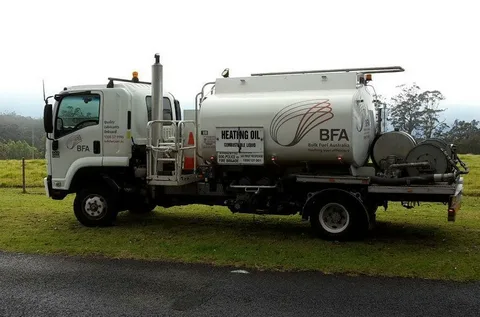
For most homeowners, heating oil is a background necessity—until something goes wrong. A cold room that won’t warm up, a burner that locks out, a tank gauge that drops faster than expected, or that creeping stress when a storm is forecast and you’re not sure you have enough fuel. The truth is, a smooth winter isn’t about luck. It’s usually the result of a few consistent habits that make your home easier to heat, your system easier to maintain, and your fuel use more predictable.
This guide is a “quiet winter” plan for managing heating oil: how to keep performance steady, avoid the most common fuel-related breakdowns, plan your tank levels so you’re never forced into emergency timing, and make simple home improvements that cut gallons without sacrificing comfort. It’s not a technical manual—just a practical, homeowner-friendly system.
Table of Contents
Start with the right mindset: total heat reliability beats perfect timing
Homeowners often focus on a single question: “How do I get the best price?” But reliability is what keeps winter easy. Your best outcome is not a perfect deal on one delivery—it’s a season with:
- consistent warmth
- predictable delivery timing
- no emergency calls
- fewer service issues
- steady fuel usage you can budget for
Thinking this way changes how you manage heating oil. Instead of reacting when the tank is low, you operate proactively with a buffer. Instead of guessing why one room is cold, you solve the heat-loss problem. Instead of waiting for a breakdown, you service preventively.
How heating oil systems behave (in plain English)
Heating oil is stored energy. Your burner pulls fuel from the tank, atomizes it through a nozzle, mixes it with air, ignites it, and transfers heat through your boiler or furnace. What determines whether this process is smooth or frustrating typically comes down to:
- fuel flow quality (filters, lines, sediment)
- combustion quality (nozzle condition, burner tuning)
- heat retention in your home (insulation, drafts)
- thermostat patterns (stable vs constant swings)
When any one of these is off, the system works harder, burns more fuel, and becomes less predictable—right when you need it most.
The “buffer rule”: the simplest way to avoid run-outs and stress
The single most effective habit for a calm season is maintaining a fuel buffer. Running low removes your flexibility and increases your risk of no-heat scenarios during storms or cold snaps.
A practical buffer plan:
- check the tank gauge weekly during peak winter
- treat ¼ tank as the danger zone (not the normal refill point)
- order earlier during multi-day cold snaps or storms
- if you want maximum flexibility, use ⅜ tank as your refill trigger
Why the buffer matters: if a storm delays routes, your usage spikes, and your tank is already low, you’re forced into emergency timing. Emergency timing often comes with extra hassle and can lead to a burner restart/bleed requirement depending on the system.
Why “running it low” can create more than just discomfort
When a tank runs empty, it’s not always as simple as “deliver oil and it works again.” Some systems need:
- line bleeding to remove air
- burner reset procedures
- additional checks if sludge/sediment is pulled into the line
Not every run-out becomes a major issue, but it increases the odds of needing service. The buffer rule is cheaper and less stressful than trying to recover from a run-out.
Combustion quality: how to get cleaner burns and fewer breakdowns
If you want heating oil to “go farther,” start with combustion. Poor combustion wastes fuel and increases soot, which can lead to performance problems.
The annual service routine (the highest ROI habit)
Annual service typically includes:
- nozzle replacement
- filter changes
- burner cleaning
- combustion testing and adjustment
- draft checks
- inspection for wear and safe operation
This isn’t optional if you want predictable performance. A tuned burner often runs cleaner, cycles more appropriately, and reduces the risk of mid-season lockouts.
Signs your system needs attention
Call for service if you notice:
- delayed ignition or frequent cycling
- unusual rumbling or “puff” sounds
- soot smell or visible soot near equipment
- burner lockouts or repeated resets
- rooms that suddenly heat less effectively without a thermostat change
Ignoring these can turn a small adjustment into an emergency visit on the coldest week of the year.
Filters, sludge, and older tanks: what homeowners should know
Many issues blamed on “bad oil” are actually flow issues caused by filters or tank condition.
What matters:
- Filters catch debris and protect the nozzle—when clogged, flow drops.
- Sediment/sludge in older tanks can stir during low levels, pulling debris into the line.
- Condensation can increase with greater air space in the tank, contributing to rust and sediment over time.
If you have an older tank, ask your tech:
- whether filter changes should be more frequent
- if sludge management is necessary
- what end-of-season tank level they recommend for storage stability
The comfort equation: why drafts drive fuel use more than you think
Even a well-tuned system will burn more heating oil if your home leaks heat. This is where many homeowners accidentally overspend: they raise the thermostat to compensate for cold spots caused by drafts.
High-impact, practical fixes:
- install door sweeps on exterior doors
- weatherstrip and lock windows tightly (locked windows leak less)
- seal attic hatch gaps (a surprisingly common heat leak)
- close fireplace dampers when not in use
- use heavier curtains at night on drafty windows
- seal rim joists (especially if you have a cold basement)
These are “gallon reducers.” They lower the amount of fuel you need regardless of market conditions.
Thermostat strategy: stability beats constant adjustments
Oil systems tend to perform best with consistent patterns. Many homeowners unintentionally waste fuel by “chasing comfort” with constant thermostat changes.
A better approach:
- choose a baseline daytime temperature and hold it for a week
- use a modest setback overnight (2–4°F)
- avoid huge drops that require long recovery runs
- don’t “crank it up” to heat faster—it doesn’t speed up the system
This stability improves comfort and makes your fuel use easier to predict, which supports better delivery planning.
Outdoor tanks and deep cold: extra planning for reliability
If your tank is outdoors or in an unheated area, you may face added winter risks:
- thicker fuel flow in extreme cold
- increased likelihood of filter restriction
- more exposure to wind chill
What helps:
- keep a stronger fuel buffer
- prioritize annual service and filter condition
- coordinate with your provider on cold-weather best practices
- ensure access stays clear so deliveries can happen earlier
The theme is the same: proactive planning beats emergency recovery.
The “quiet winter checklist” (copy/paste)
Weekly (peak winter):
- check gauge
- clear access paths if snow/ice is forecast
- watch for unusual burner behavior
Monthly:
- test CO and smoke detectors
- quick visual check around tank and equipment for dampness or odor
- confirm area around equipment is clear of stored items
Seasonally:
- schedule annual service before peak season
- seal drafts and attic leaks
- maintain a refill buffer and plan around storms
Final takeaway
A calm season with heating oil isn’t complicated—it’s consistent. Keep a buffer in your tank, service annually, fix drafts that cause thermostat overcorrection, and maintain stable heat routines. These habits reduce run-out risk, improve efficiency, and keep your system reliable through winter’s worst weeks—so your home stays warm and your season stays quiet.